**Post-Traumatic Stress Disorder (PTSD): A Shared Operational Risk for NGOs**
11 February 2026
“Preventing PTSD is not a well-being add-on; it is an operational security measure that protects teams, reduces incidents, and ensures mission continuity.”
Addressing post-traumatic stress disorder within humanitarian organizations responds to a dual imperative. First, it is a functional necessity: personnel who are psychologically weakened experience diminished decision-making, coordination, and operational effectiveness, directly impacting overall performance. Second, it falls under the organization’s duty of care toward its teams. Ensuring security cannot be confined to physical risks alone; it must also encompass the protection of the psychological integrity of staff members.
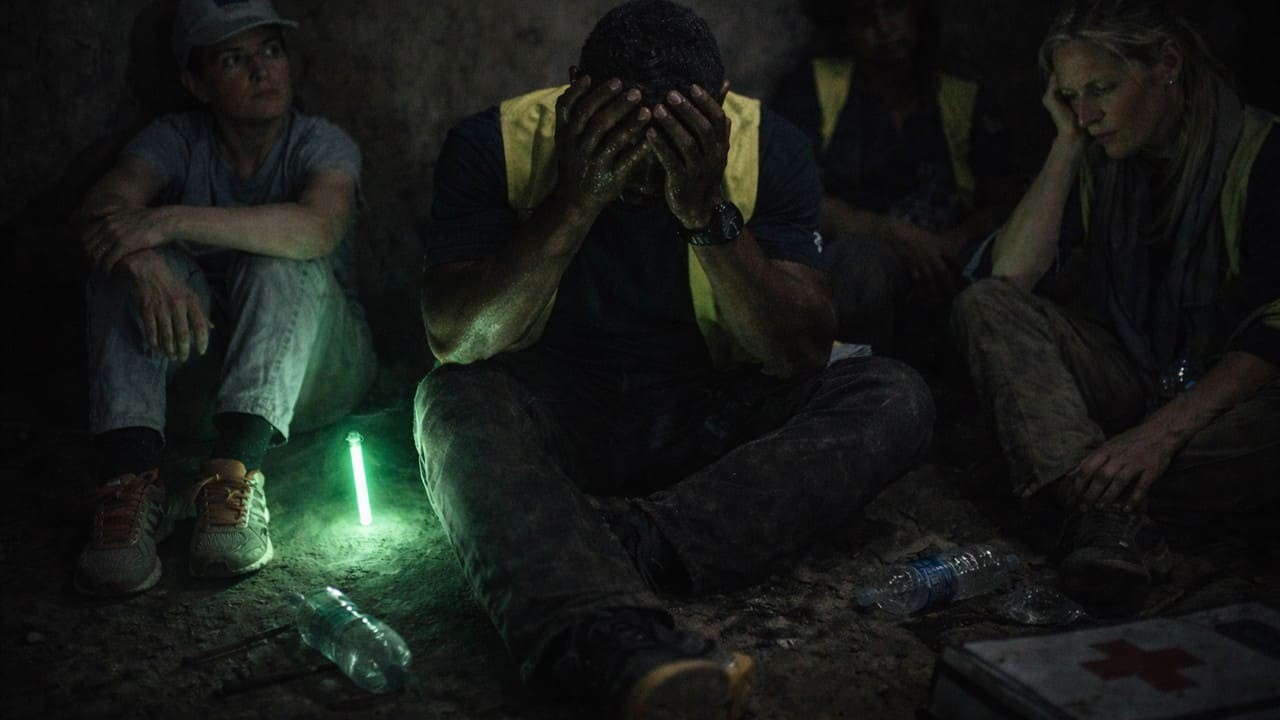
A SHARED EXPOSURE, DIVERGENT IMPACT REALITIES
Post-traumatic stress disorder (PTSD) may affect all humanitarian actors, whether they operate within national NGOs, international NGOs, or international organizations and cooperation agencies. Armed attacks, kidnappings, serious accidents, community violence, natural disasters, or the death of beneficiaries constitute critical incidents likely to trigger long-term psychological consequences.
According to several international studies, between 30% and 40% of humanitarian workers report having been exposed to a potentially traumatic event, and nearly one quarter exhibit significant symptoms consistent with post-traumatic stress.
(Réf. : Ager A. et al. (2012), Journal of Traumatic Stress — TSPT et exposition traumatique chez les humanitaires / Cameron L. et al. (2024), PLoS ONE — revue systématique sur la santé mentale et le TSPT chez les travailleurs humanitaires / Paw NL et al. (2025) — prévalence des symptômes de TSPT ≈ 26 % chez les humanitaires)
Nevertheless, patterns of exposure vary. National teams are often present before, during, and after crises, experiencing prolonged and cumulative exposure, frequently without structured rotation or recovery mechanisms. International personnel, by contrast, more commonly benefit from time-bound mission cycles and scheduled rest periods. While the traumatic risk is shared, institutional buffering capacities differ significantly.
UNEQUAL INSTITUTIONAL CAPACITIES IN ADDRESSING PSYCHOLOGICAL RISK
International organizations generally operate under formalized duty-of-care policies embedded within their risk management and human resources frameworks. These frameworks typically include hostile-environment stress management training, access to professional psychological support, post-incident protocols, health insurance coverage encompassing psychosocial care, and structured crisis management units.
Conversely, many national NGOs operate with more limited resources: psychological support is often informal, dependent on local management practices, or at times entirely absent. In such contexts, care largely relies on internal solidarity, without a structured framework or organized medium- to long-term follow-up.

ORGANIZATIONAL CULTURE AND RISK RECOGNITION
Within major international organizations, mental health is now acknowledged as a critical determinant of both performance and security. It is systematically incorporated into hostile-environment training, crisis management mechanisms, and human resources policies. PTSD is treated as an objective occupational hazard.
In some national NGOs, however, close community ties, social pressures, or the emphasis placed on individual resilience may inhibit the open expression of psychological difficulties. The disorder may be downplayed or perceived as a sign of personal weakness, thereby delaying help-seeking and appropriate intervention. Such cultural differences have a direct impact on early identification and the effective management of risk.
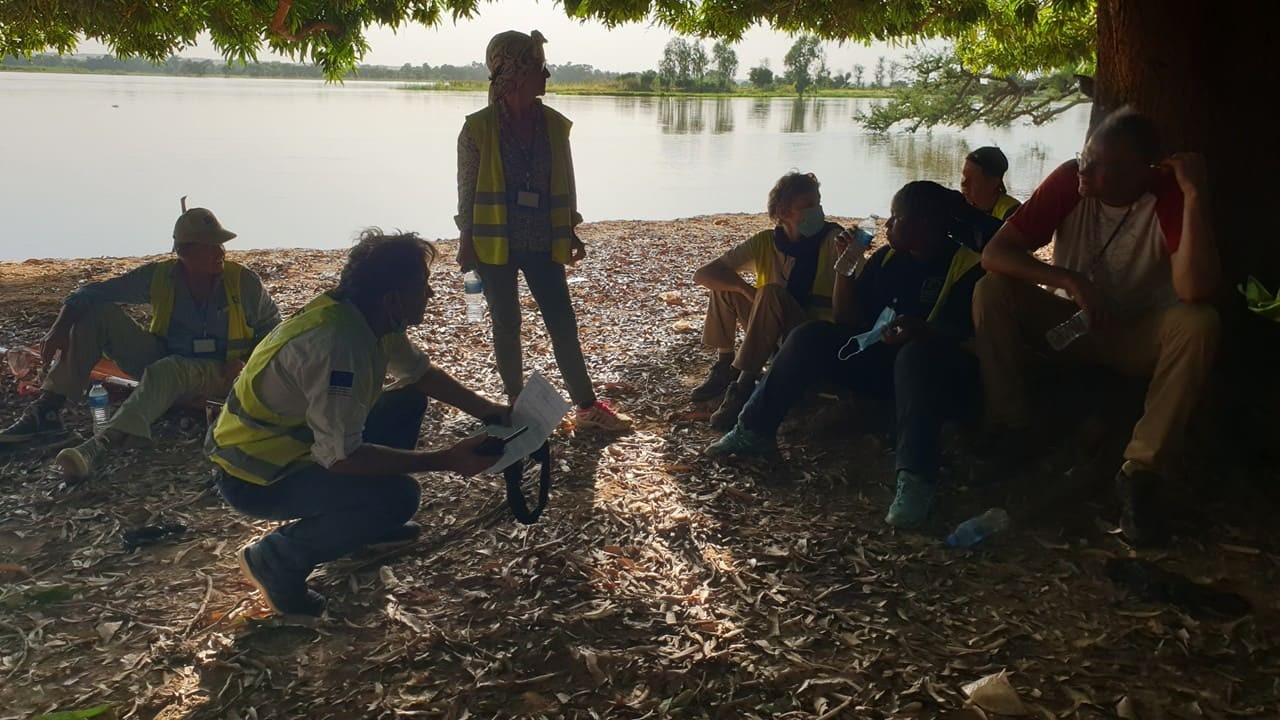
TOWARDS A CONVERGENCE OF STANDARDS
International donors now require heightened compliance with risk management and staff protection principles. The duty of care can no longer be confined to expatriate personnel; it must extend to all teams, including national staff and local partners.
The strategic imperative, therefore, is to support national NGOs in the gradual structuring of their systems : training managers to identify early warning signs, establishing simple and context-appropriate post-incident protocols, developing partnerships with local mental health professionals, and systematically integrating the psychosocial dimension into security plans.
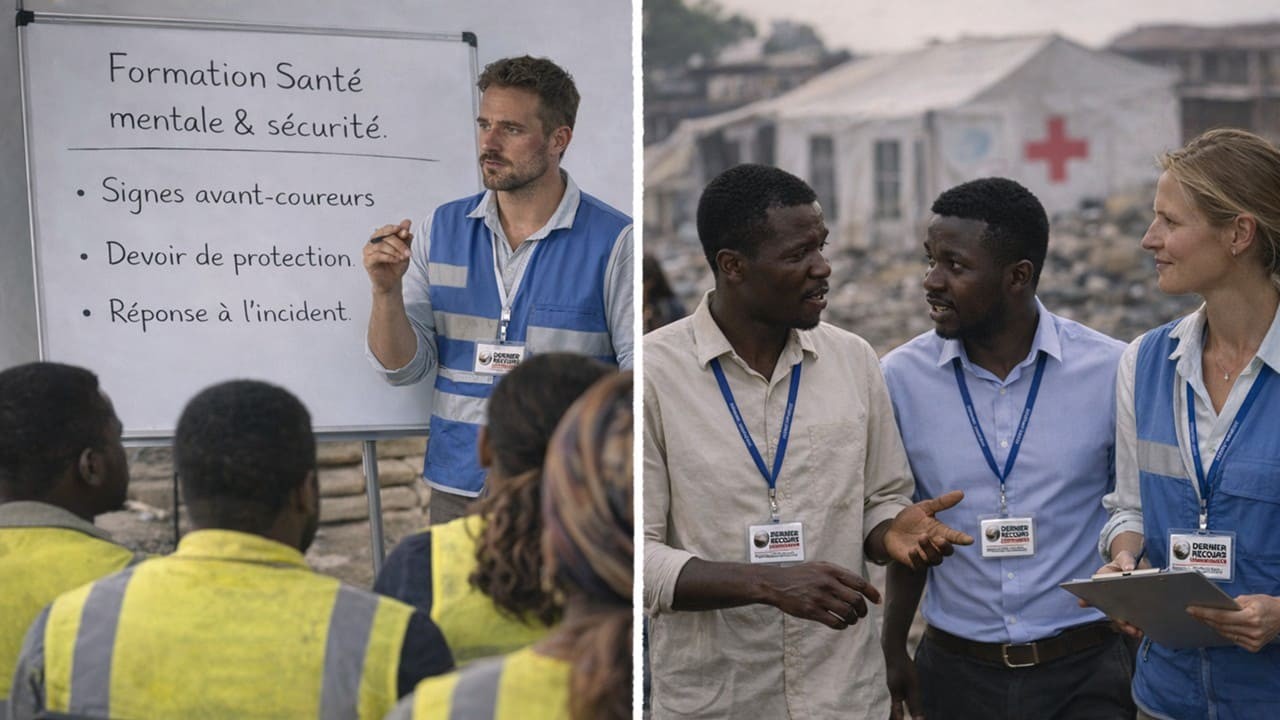
A SHARED ETHICAL AND OPERATIONAL IMPERATIVE
The gap observed between national NGOs and international organizations relates more to available resources than to levels of exposure to risk. PTSD represents not only a human vulnerability but also a source of operational fragility: impaired decision-making, internal tensions, absenteeism, accidents, and loss of team cohesion.
The management of post-traumatic stress can no longer be regarded as an optional, compassion-driven initiative. It constitutes a professional, security, and ethical imperative. Safeguarding the mental health of humanitarian workers (regardless of their status) means preserving mission continuity and the very credibility of humanitarian action itself.
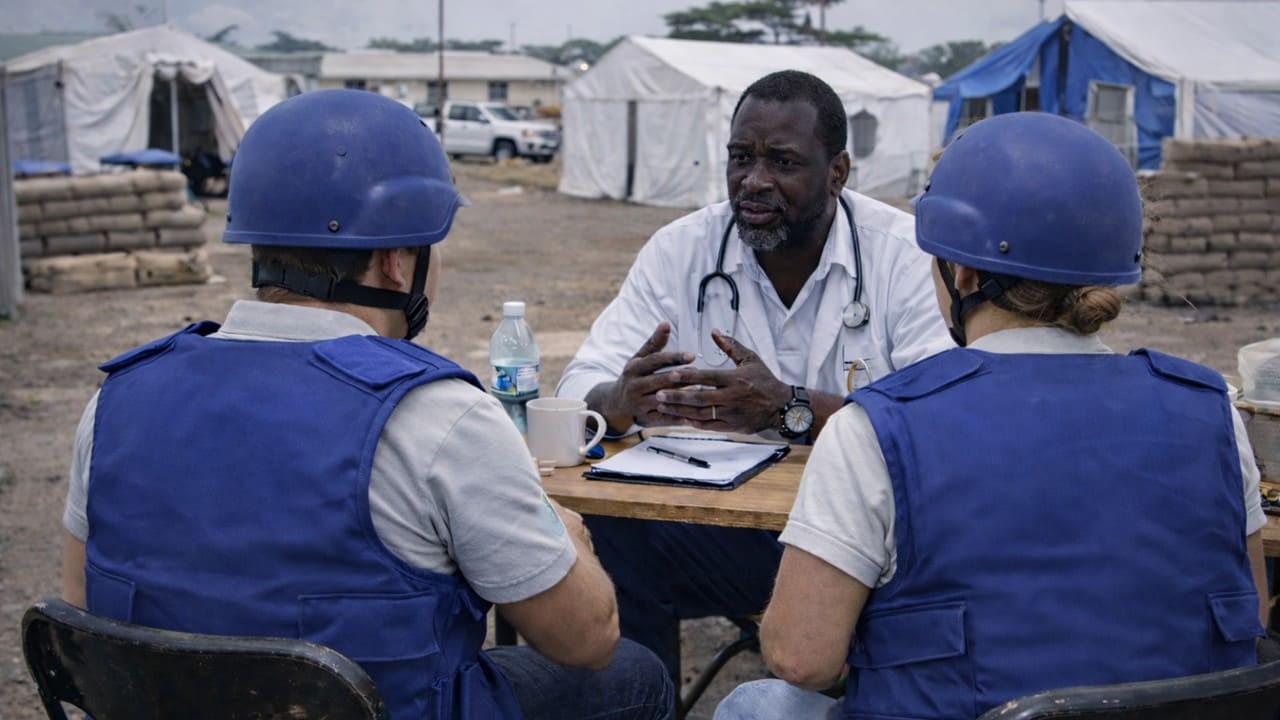
PTSD: A STRATEGIC OPERATIONAL THREAT TO HUMANITARIAN ACTION
Post-traumatic stress disorder is not a peripheral risk in humanitarian action; it is a direct operational threat. When left unanticipated, it impairs decision-making, weakens team cohesion, increases secondary incidents, and jeopardizes mission continuity. Addressing it falls simultaneously under the duty of care, risk management obligations, and institutional responsibility. Safeguarding the mental health of teams ultimately means safeguarding operational capacity in the field.
TRANSFORMING TRAUMATIC RISK INTO A CONTROLLED CAPABILITY
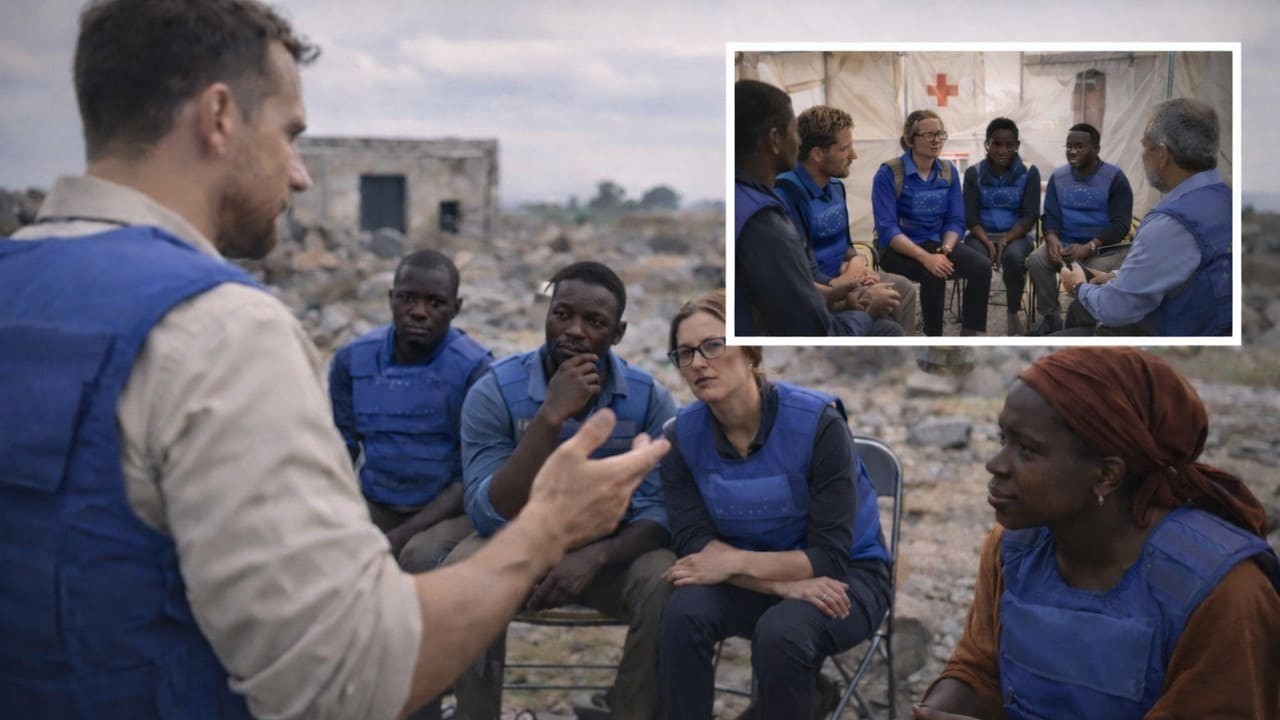
AACCES fully integrates the management of PTSD at the core of its security training programs, addressing it not as a theoretical module, but as a fully operational competency. Under the guidance of its instructors, the framework includes pre-deployment preparation based on realistic simulations designed to anticipate physiological and cognitive responses to intense stress and to strengthen response capacity under pressure.
Following any critical incident, a structured decompression phase is conducted under the supervision of a psychologist in order to stabilize teams, mitigate the immediate impact of shock, and prevent the development of long-term disorders. This support is implemented progressively and adapted to the level of exposure.
The objective is clear: to preserve decision-making clarity, maintain collective cohesion, and ensure operational continuity. This approach meets contemporary risk management standards and the Duty of Care obligations required by international donors, positioning mental health as a direct lever of security, resilience, and operational performance.
You may also like
19 May 2025
11 February 2026
12 February 2026